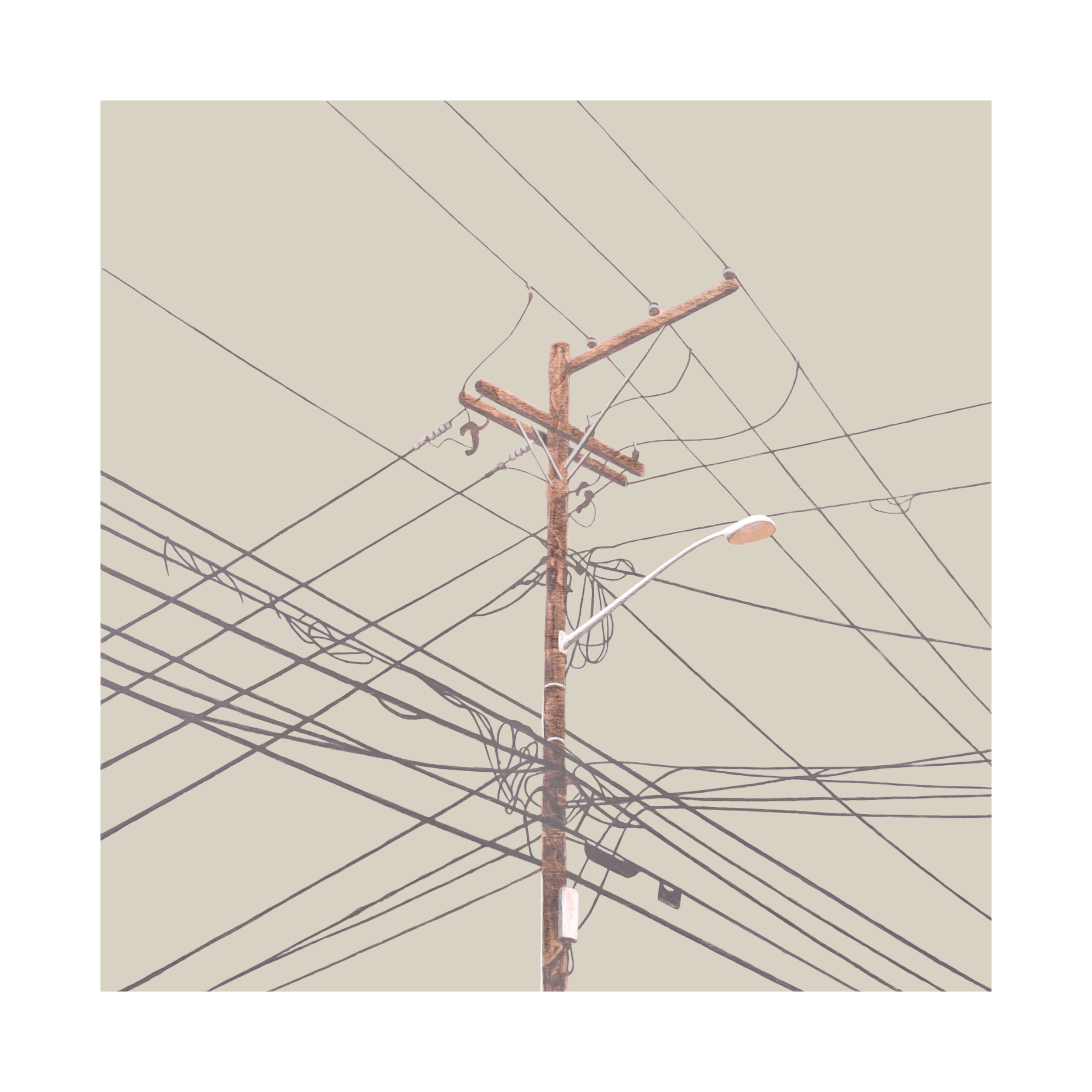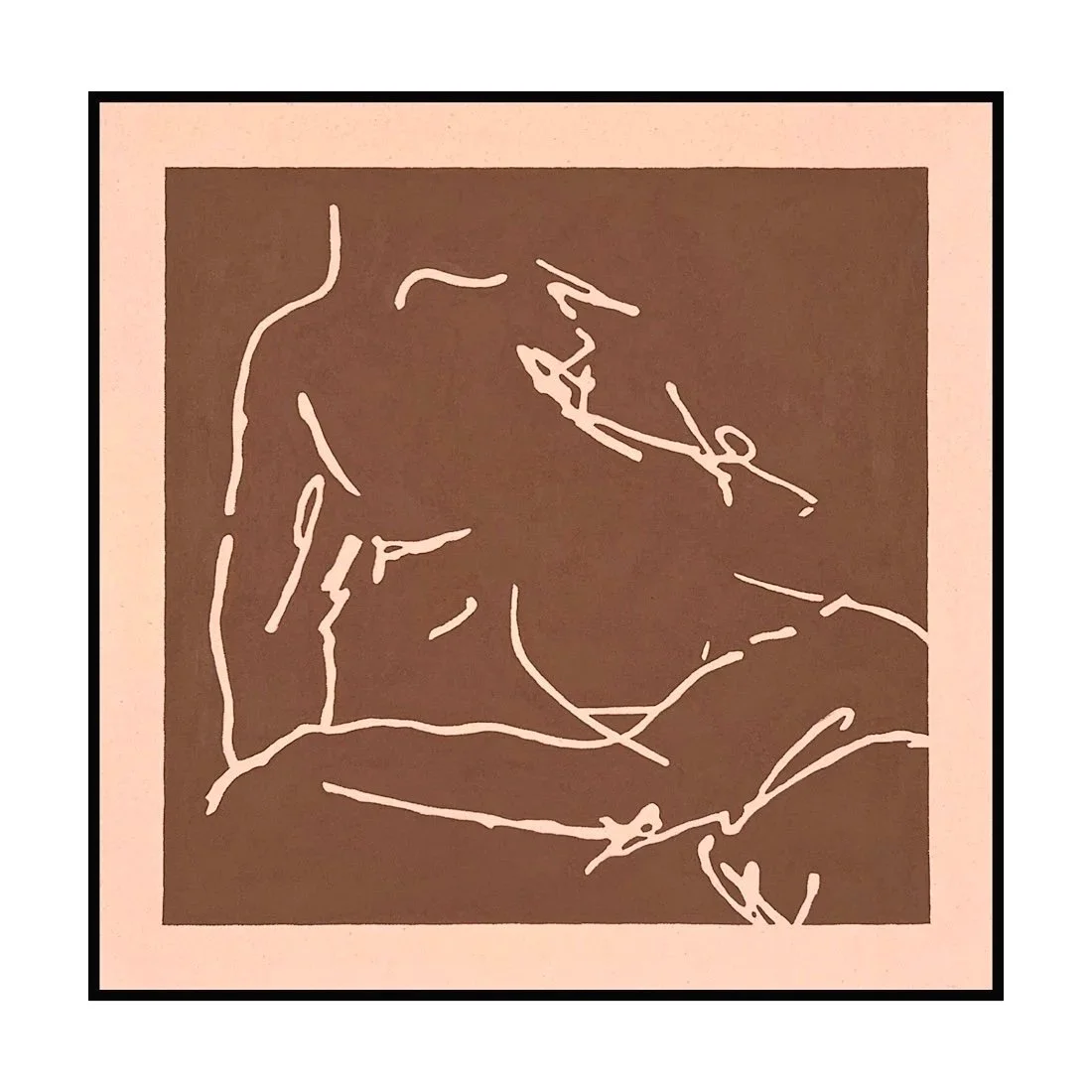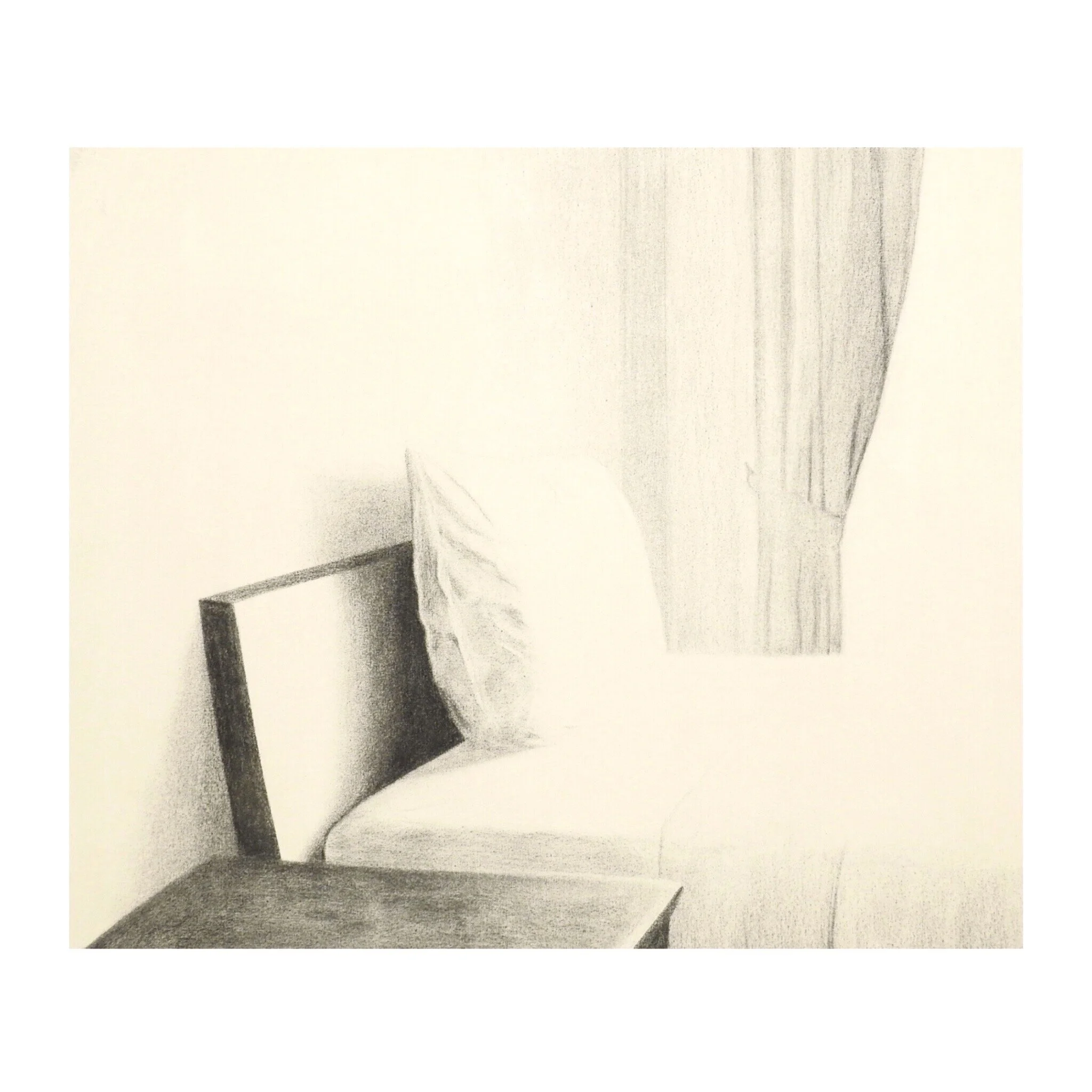
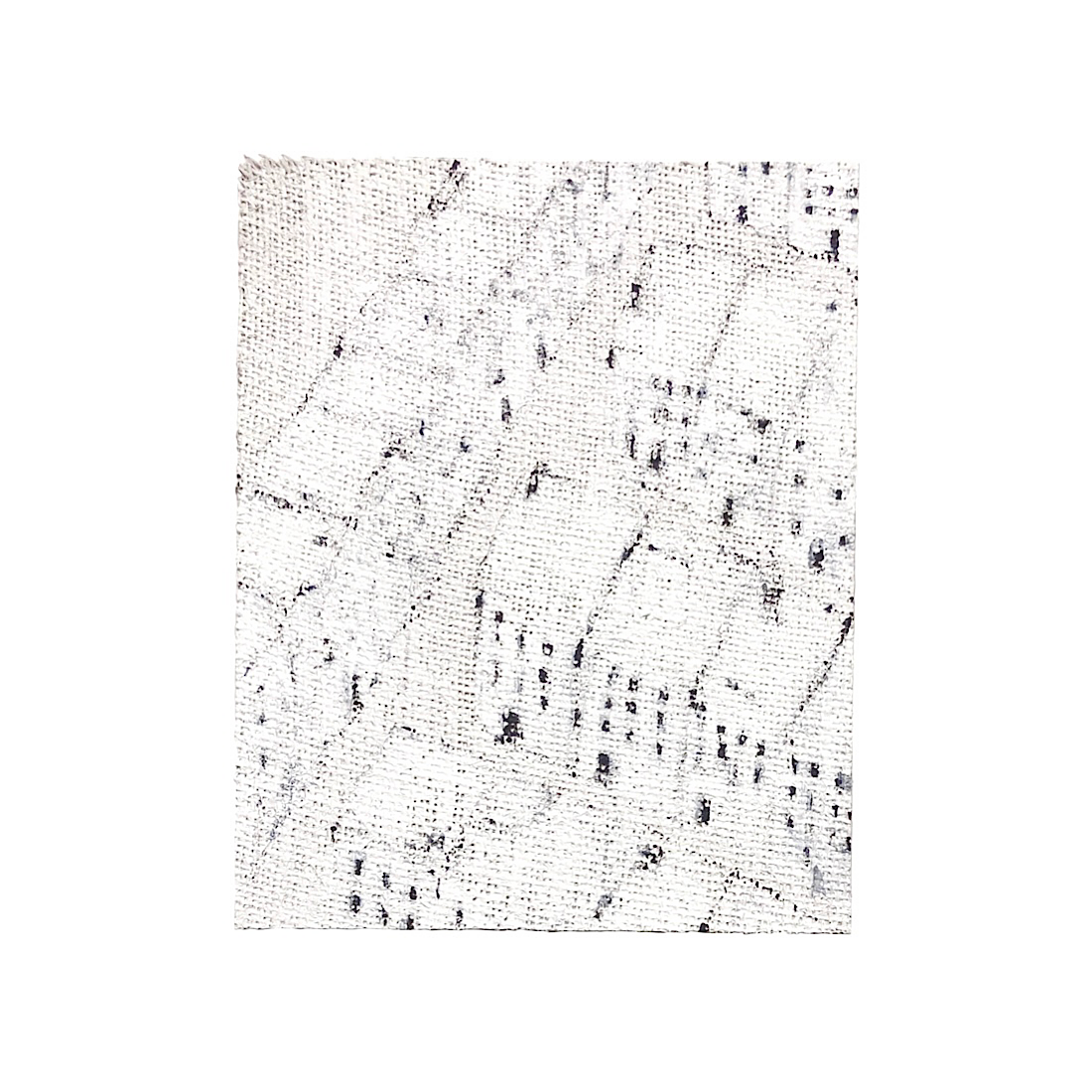
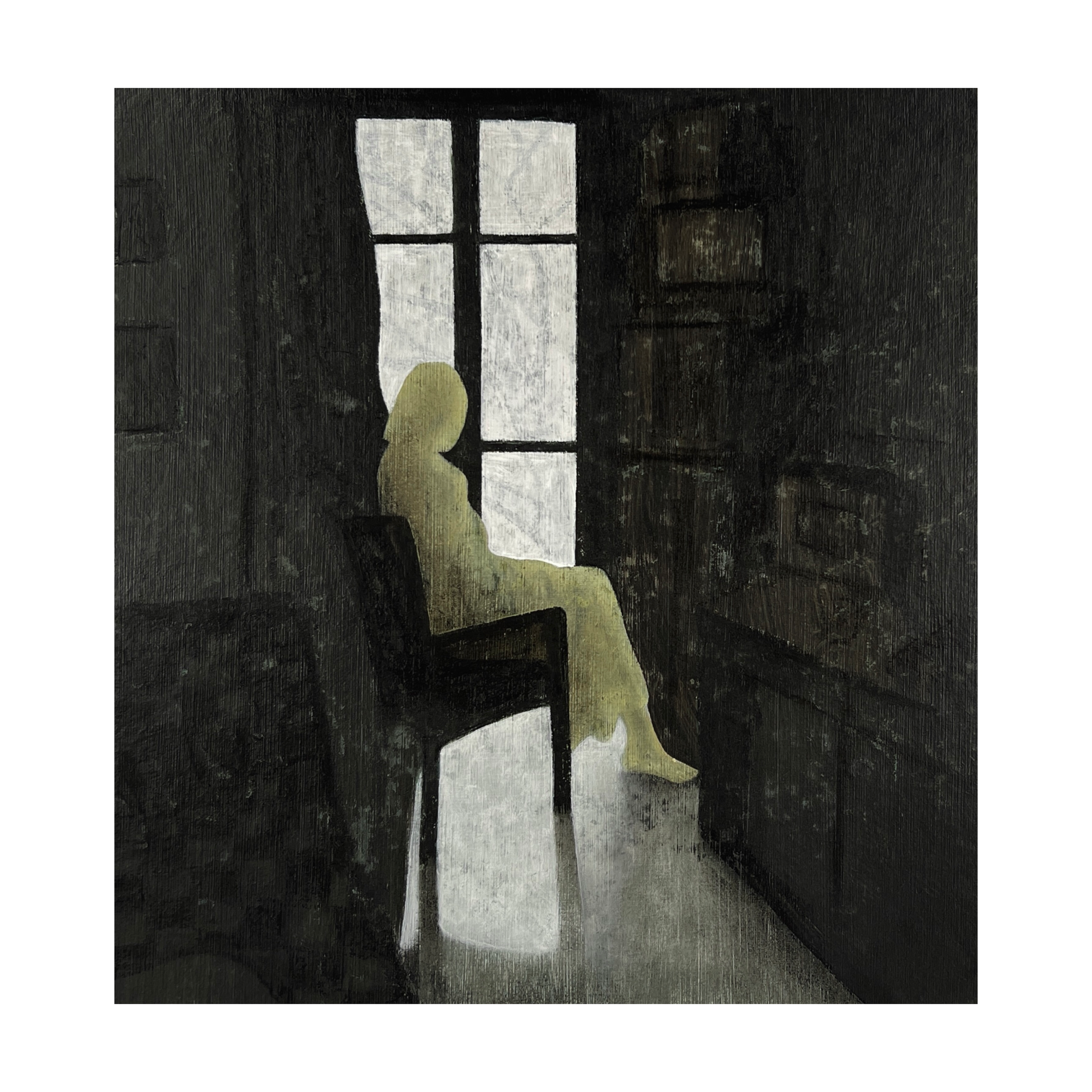
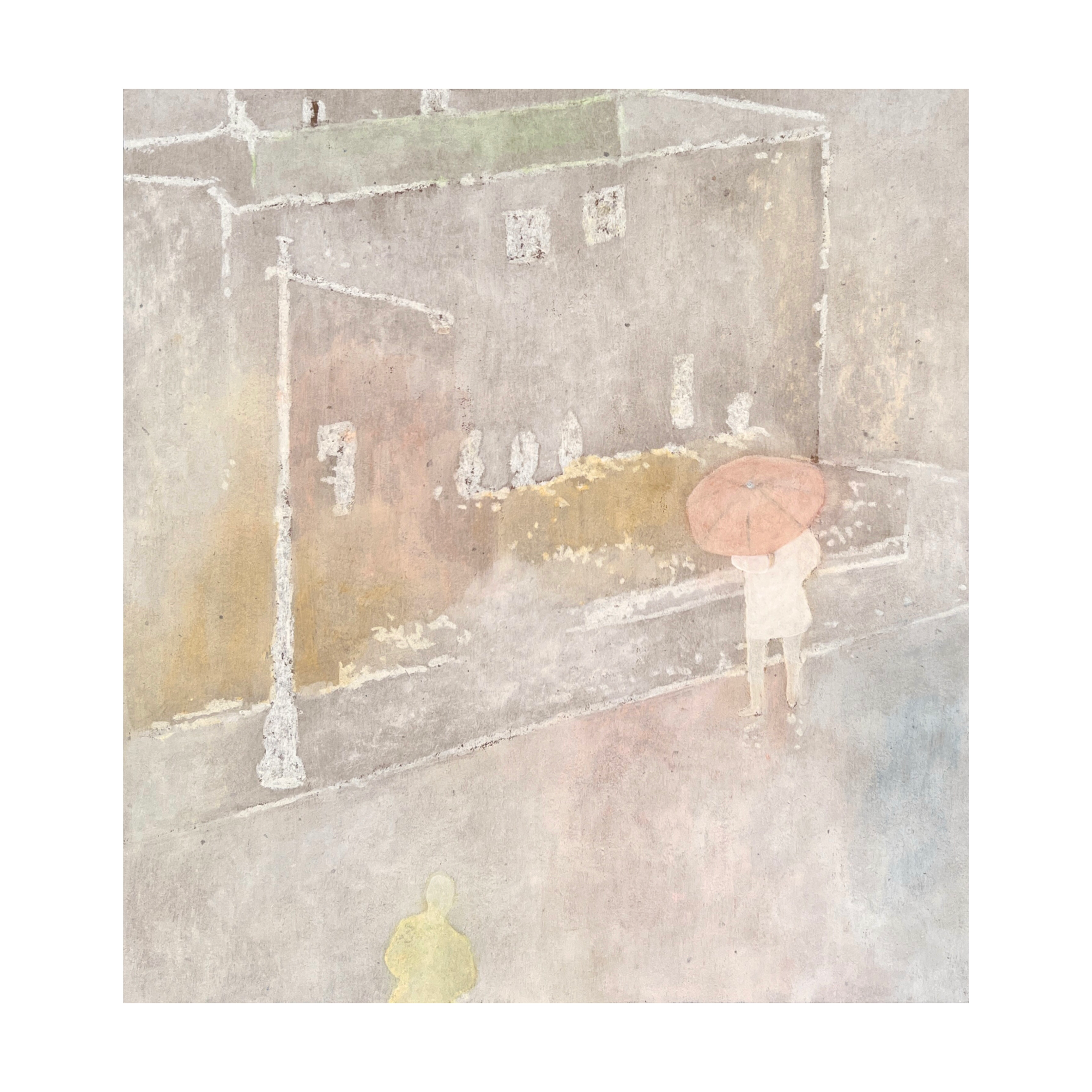
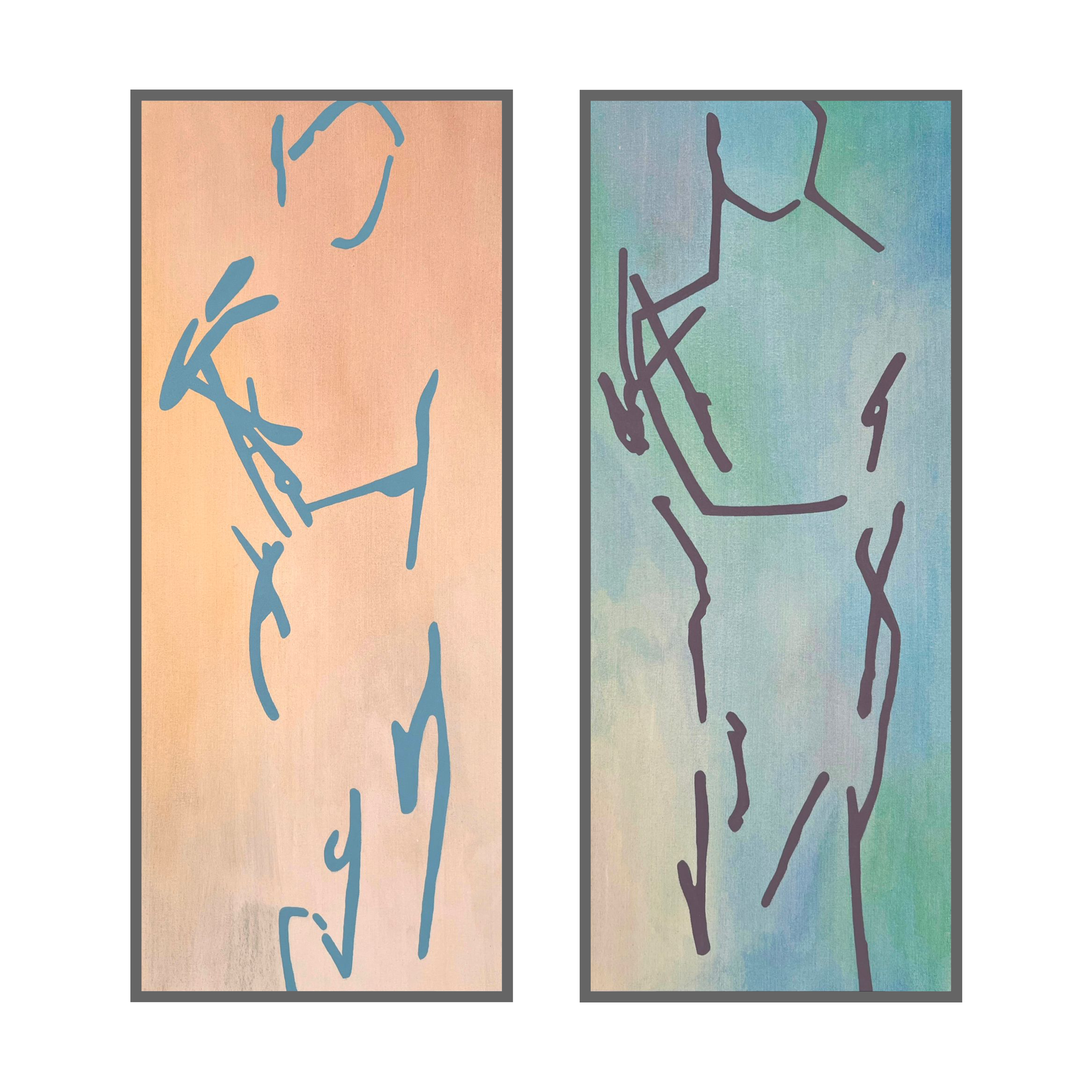
The ideal is a subject that evades simple category. Populating all forms of art, ideals are a template for universally understood ideas. They represent the maximal form of our cultural archetypes, however fantastical, and guide us in the journey to understand ourselves.

As popular culture shapes the ideals that dominate society, they often elevate material success and control. These become the yardstick by which we measure others and ourselves. As such, identity becomes defined by the contemporary definition of success.

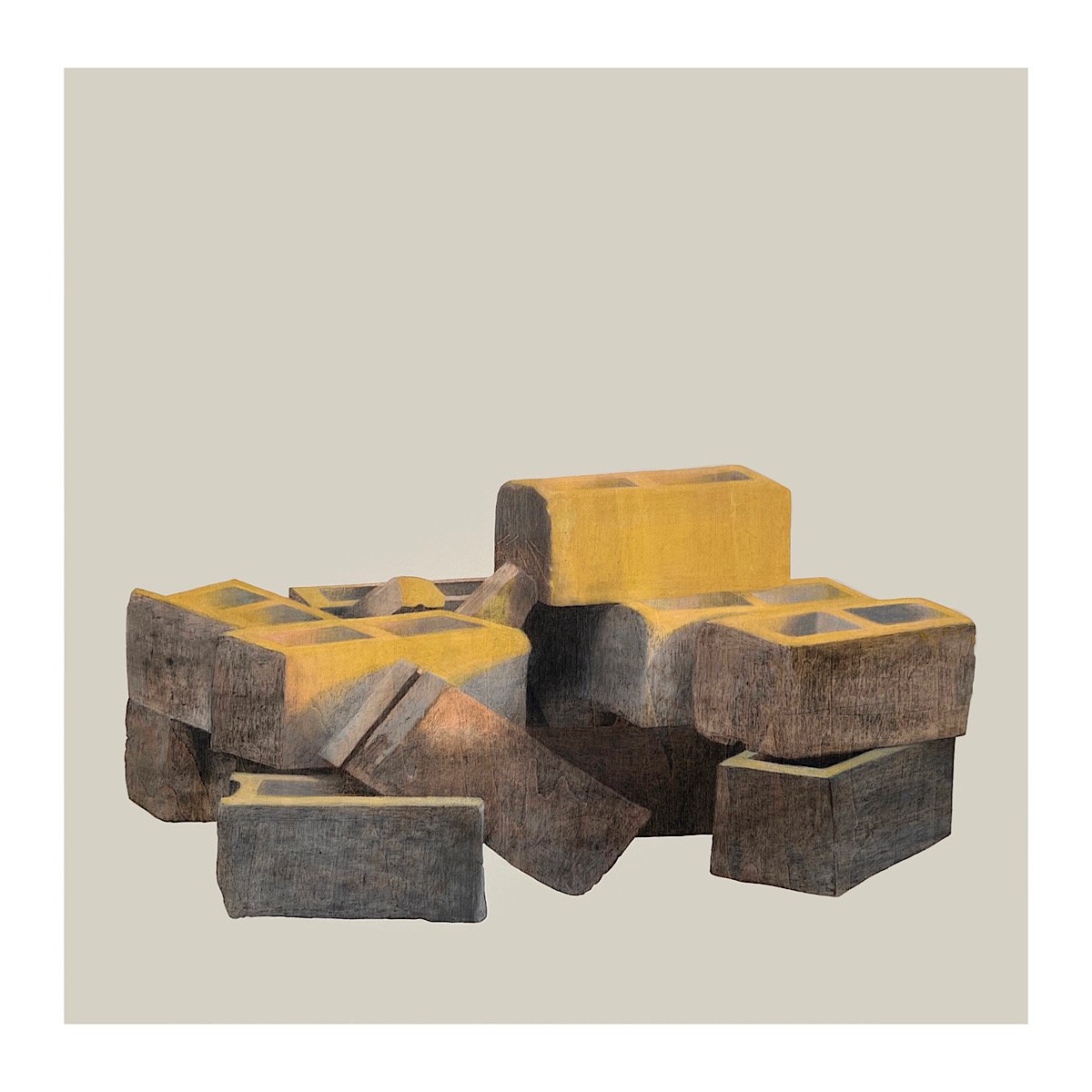
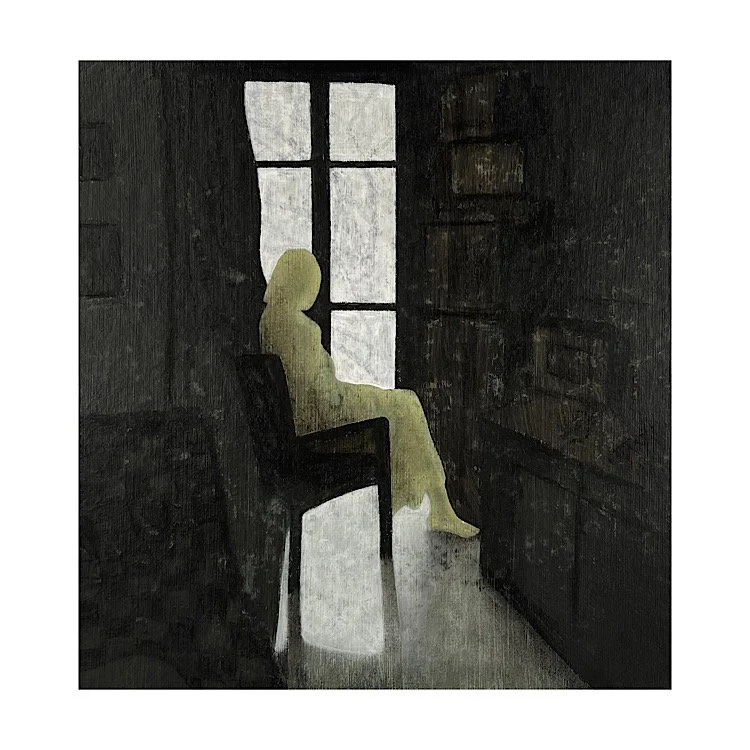
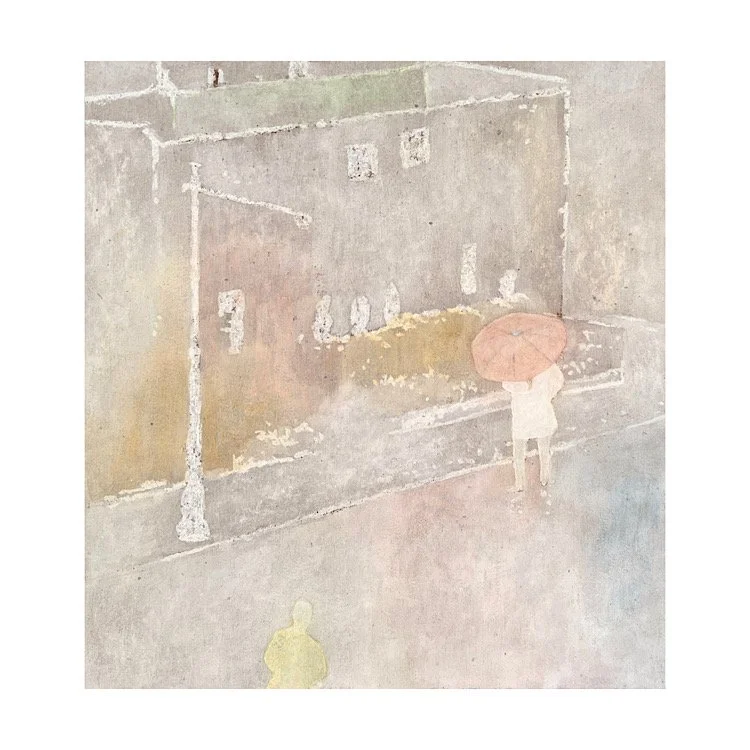
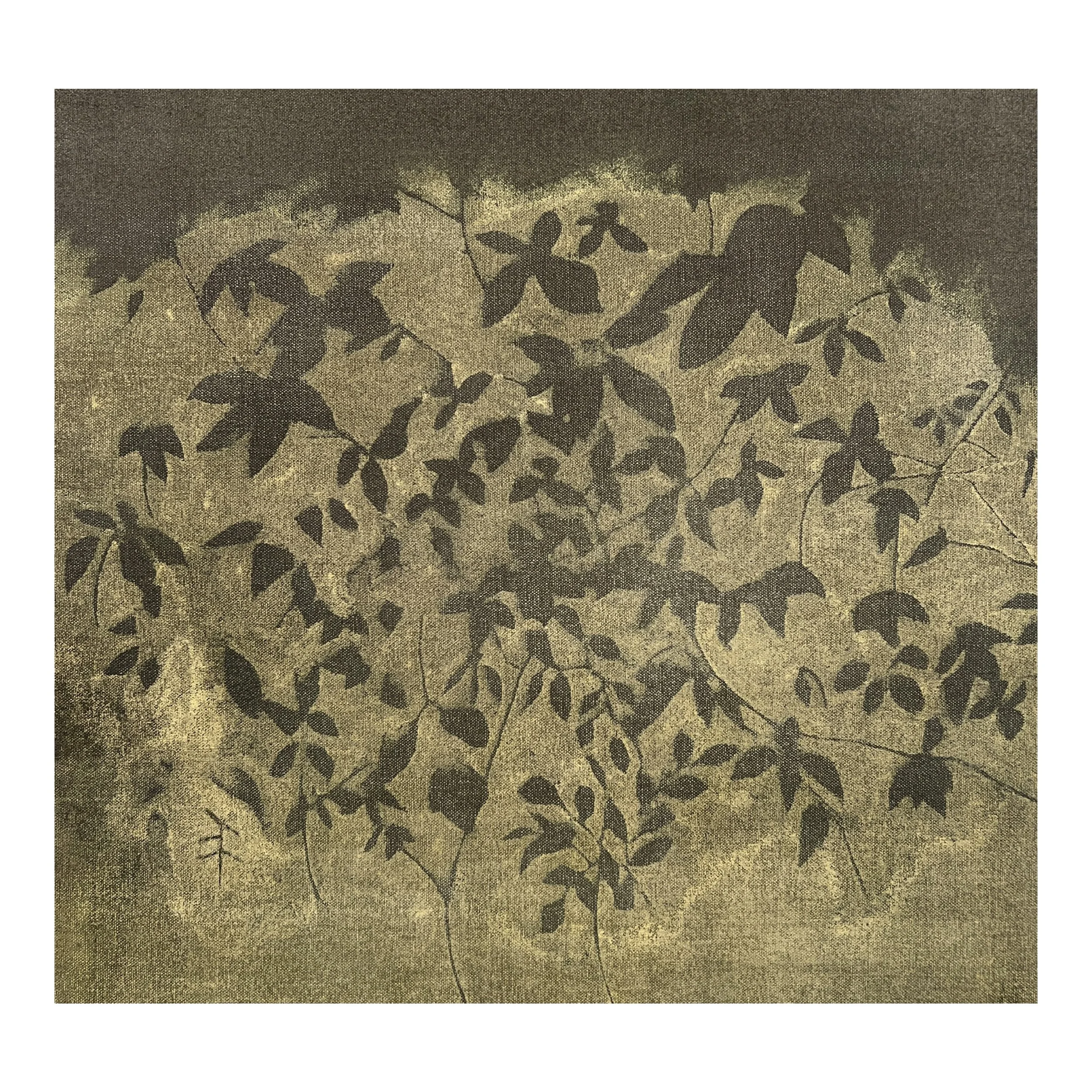
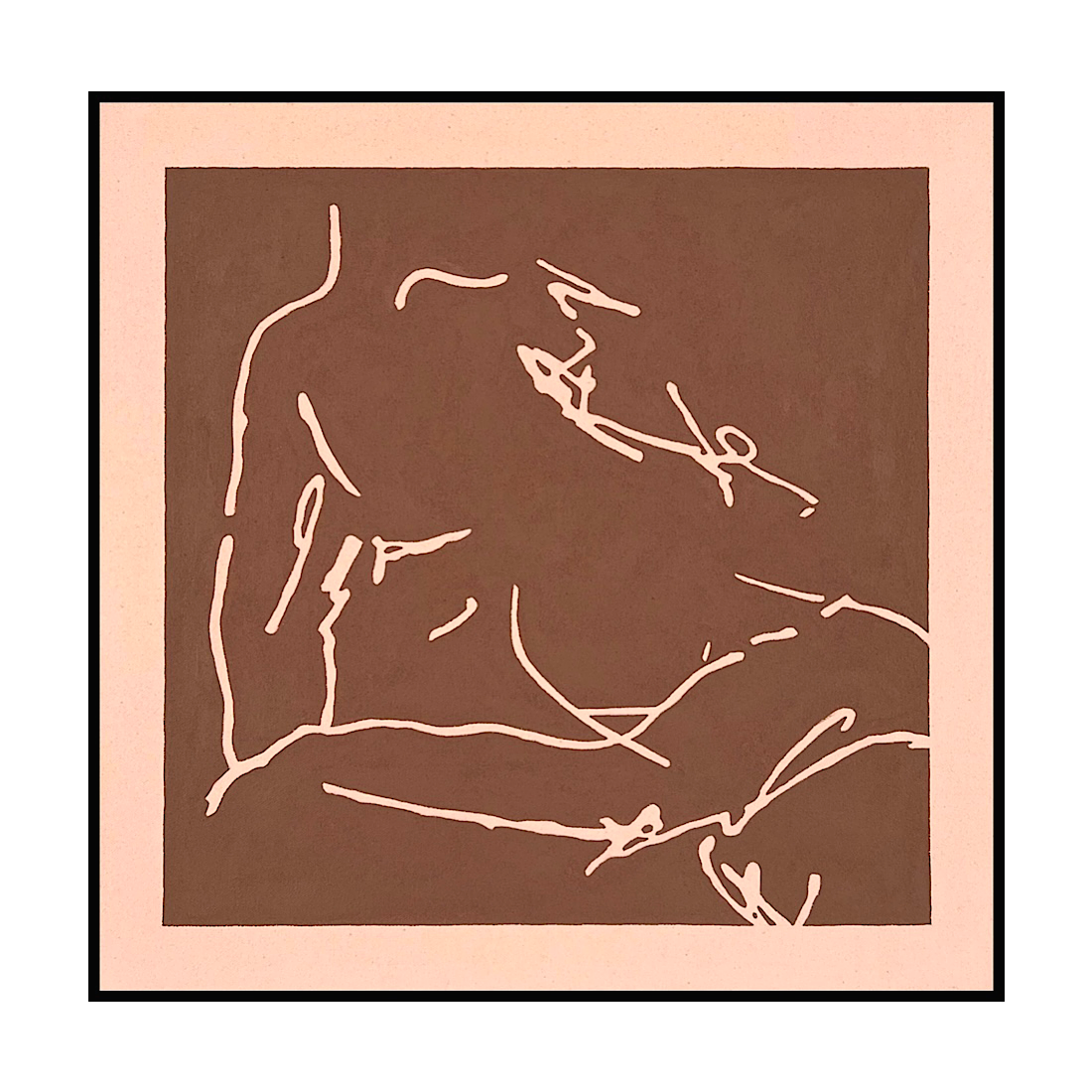
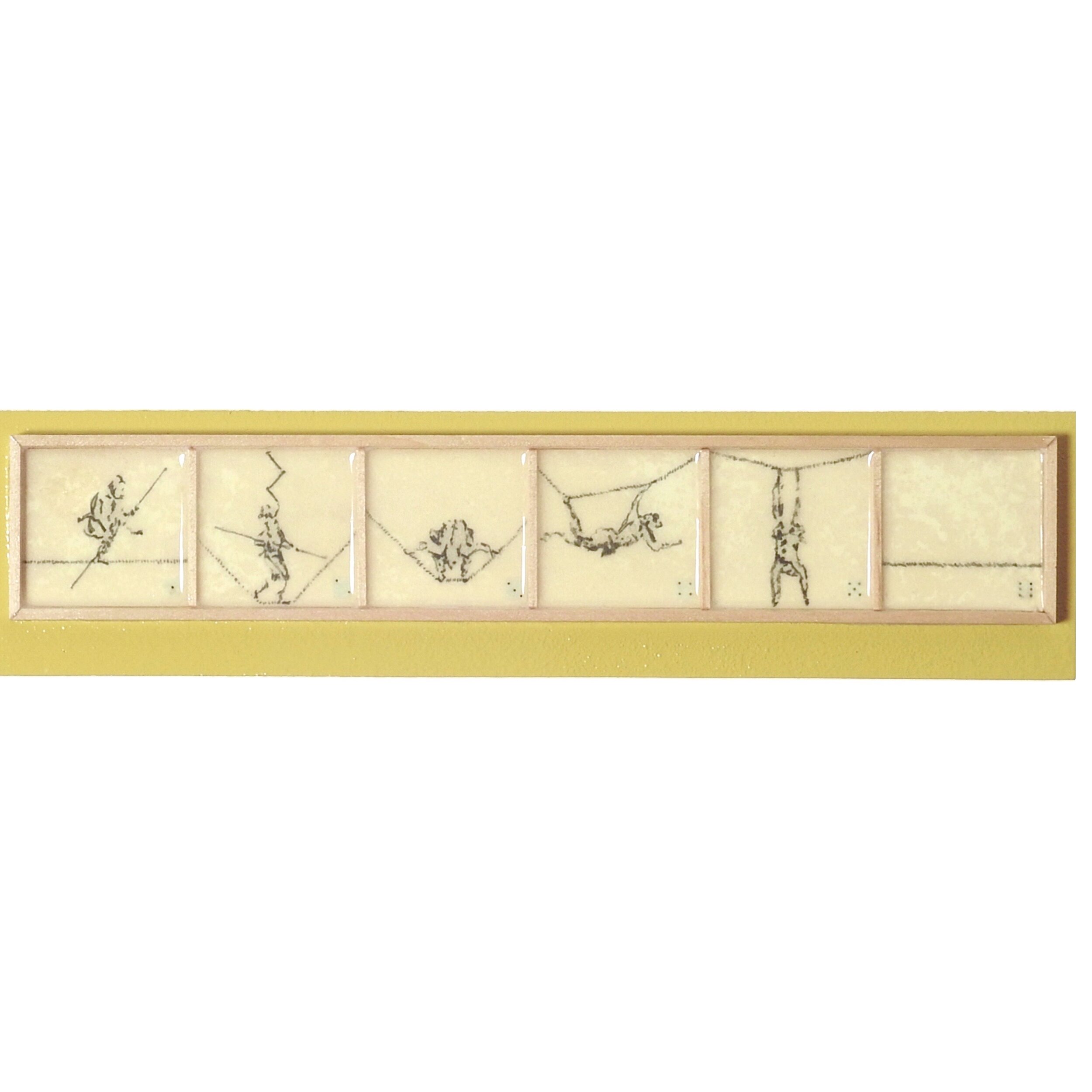
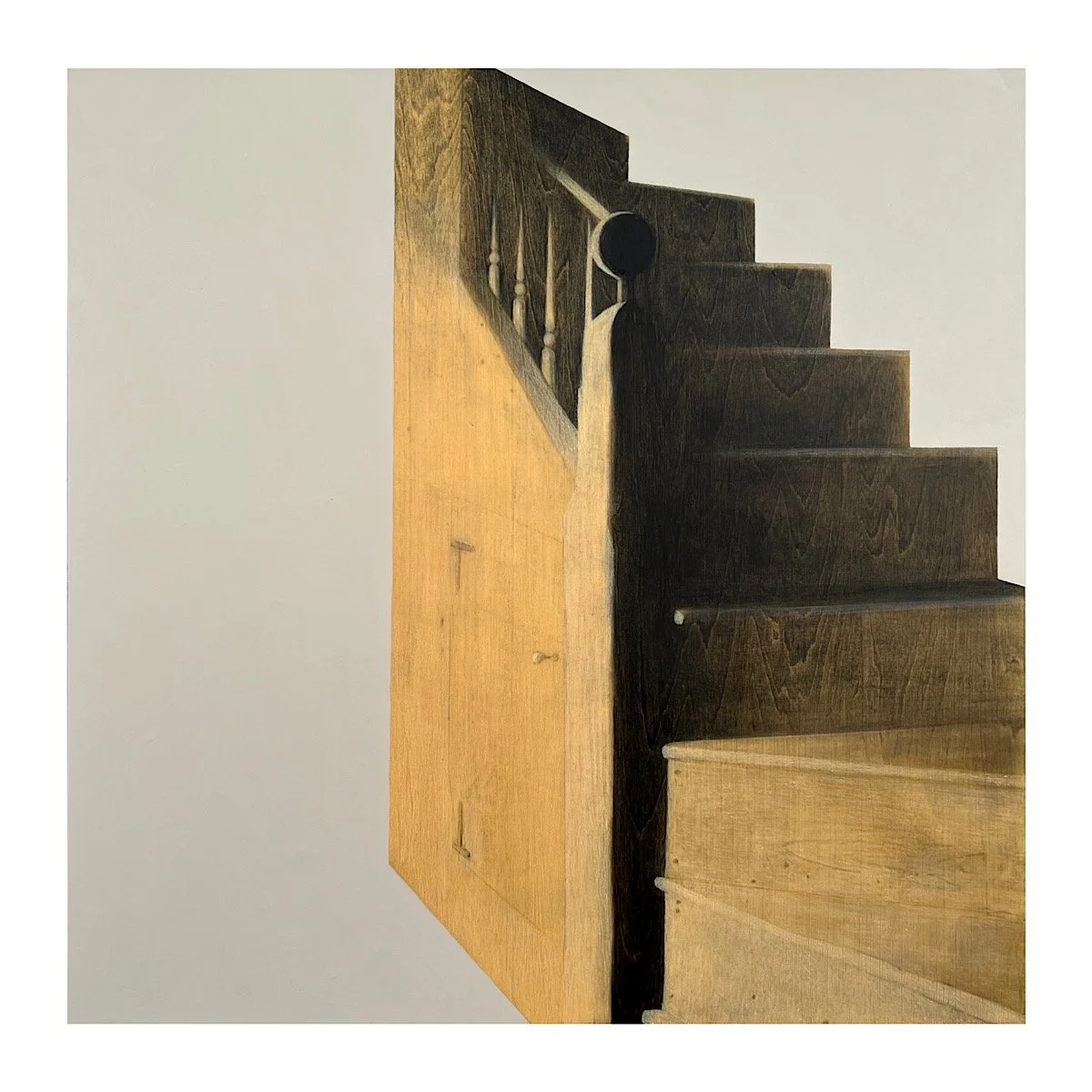
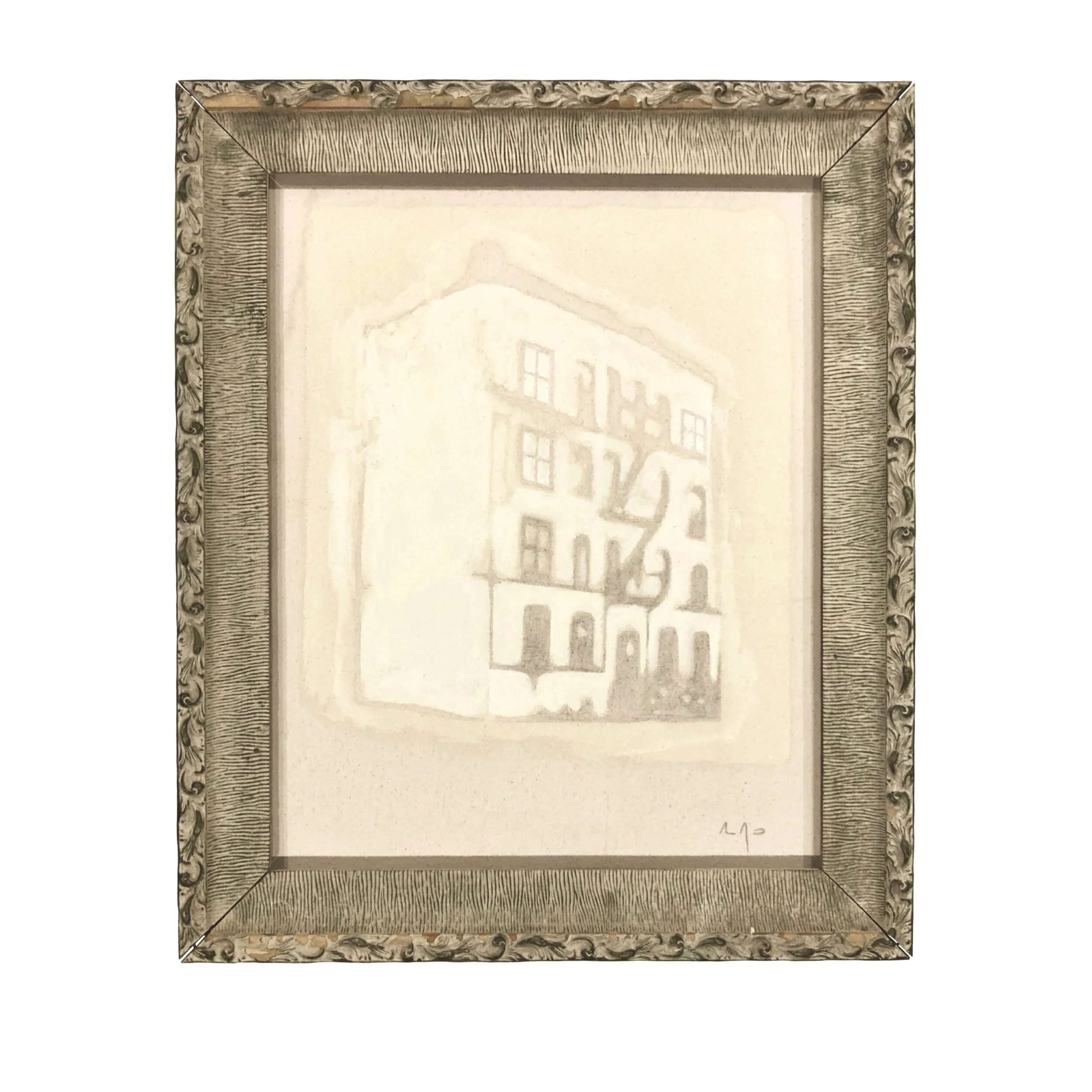
This work is grounded in an opposing value system, rooted in eastern philosophy. It considers a familiar alternative, one that rejects control and attachment. While the subject matter in this work appears conventionally valueless, perception elevates it above classification when considered for its qualities. Light and color help craft the experience, giving form to an ideal that is unmoved by demands for status or value. Depicted are the worn and forgotten, tear downs and negligible corners of the world. While context informs experience, the physical objects themselves are in a state of stoic disrepair, exhibiting a posture of unbothered letting-go. An attitude of having nothing and needing nothing, of absolute presence in the moment. When interpreting these images, it is our awareness that reveals these qualities. The true subject of this work is the ideal it projects.  

Like all other ideals, what is presented here is unattainable and fantastic. If it were attainable, it wouldn't be an ideal. We may strive for contentment and a life undefined by value, but the everyday is a negotiation between demands, social, biological, and spiritual. A pile of old cinder blocks resting in the afternoon sun knows no enlightened peace, but what it represents can comfort, and give direction to our aspirations.